Telltale Terrain
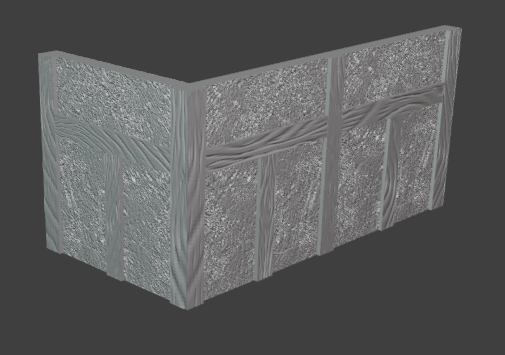
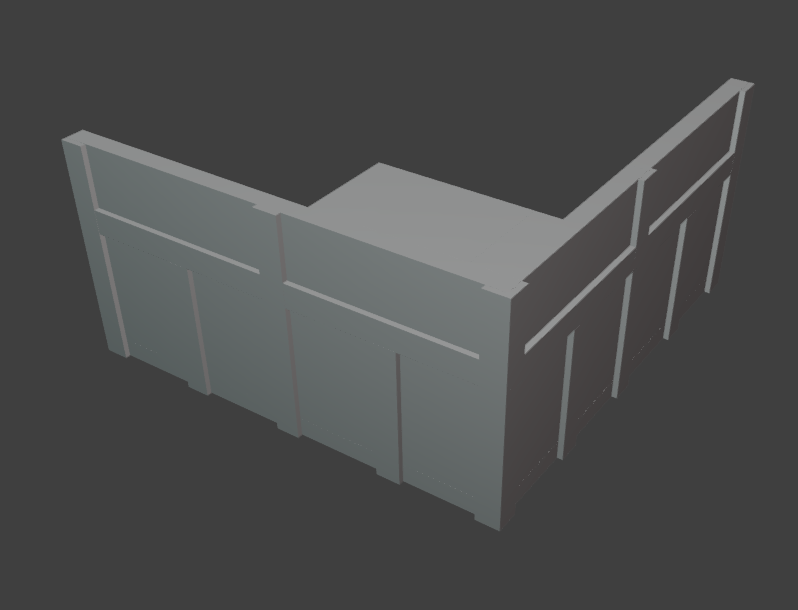
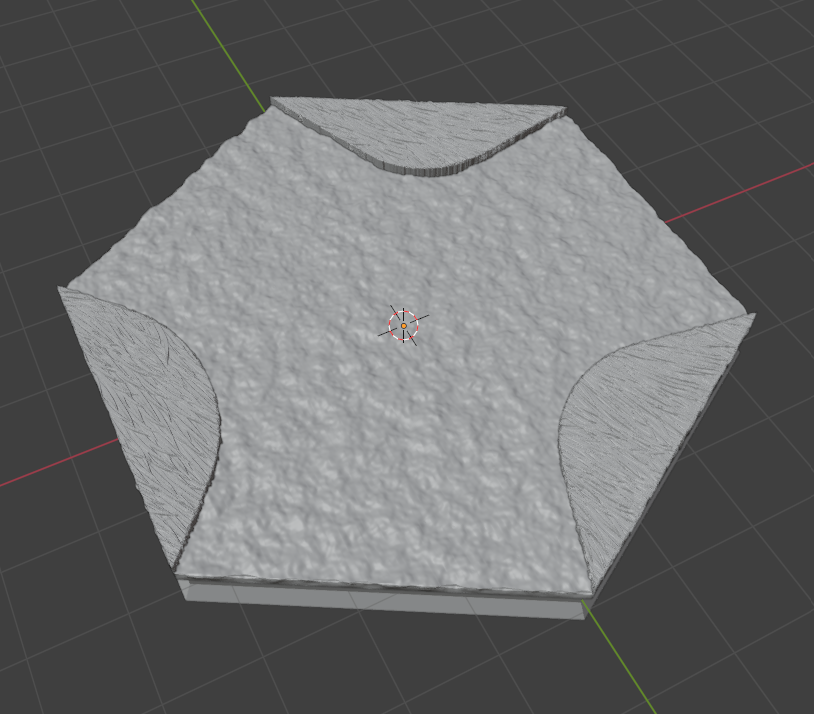
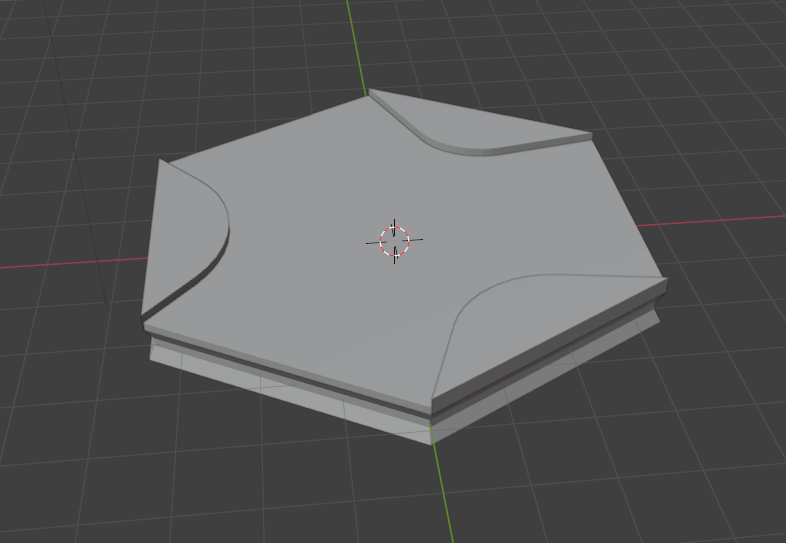
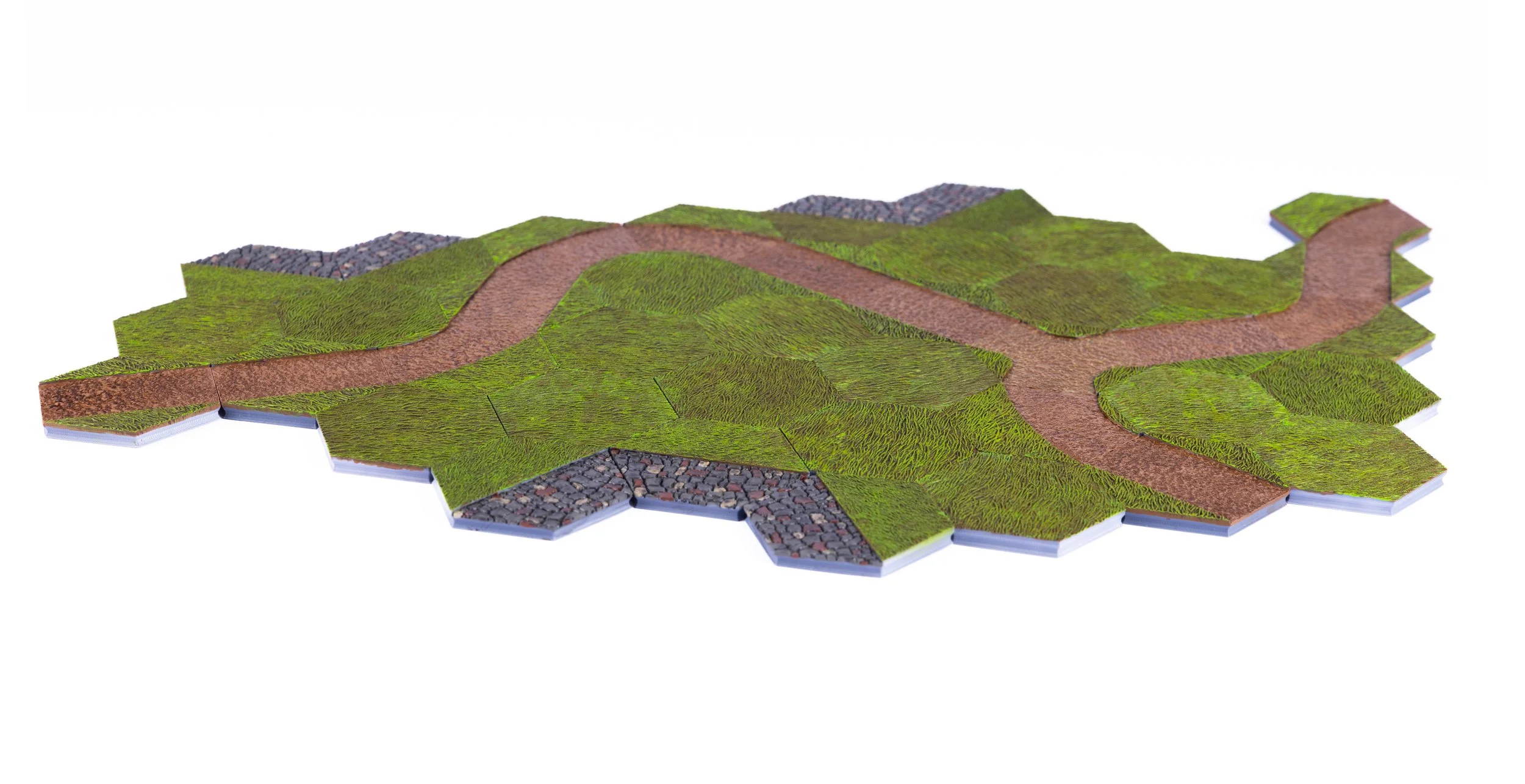
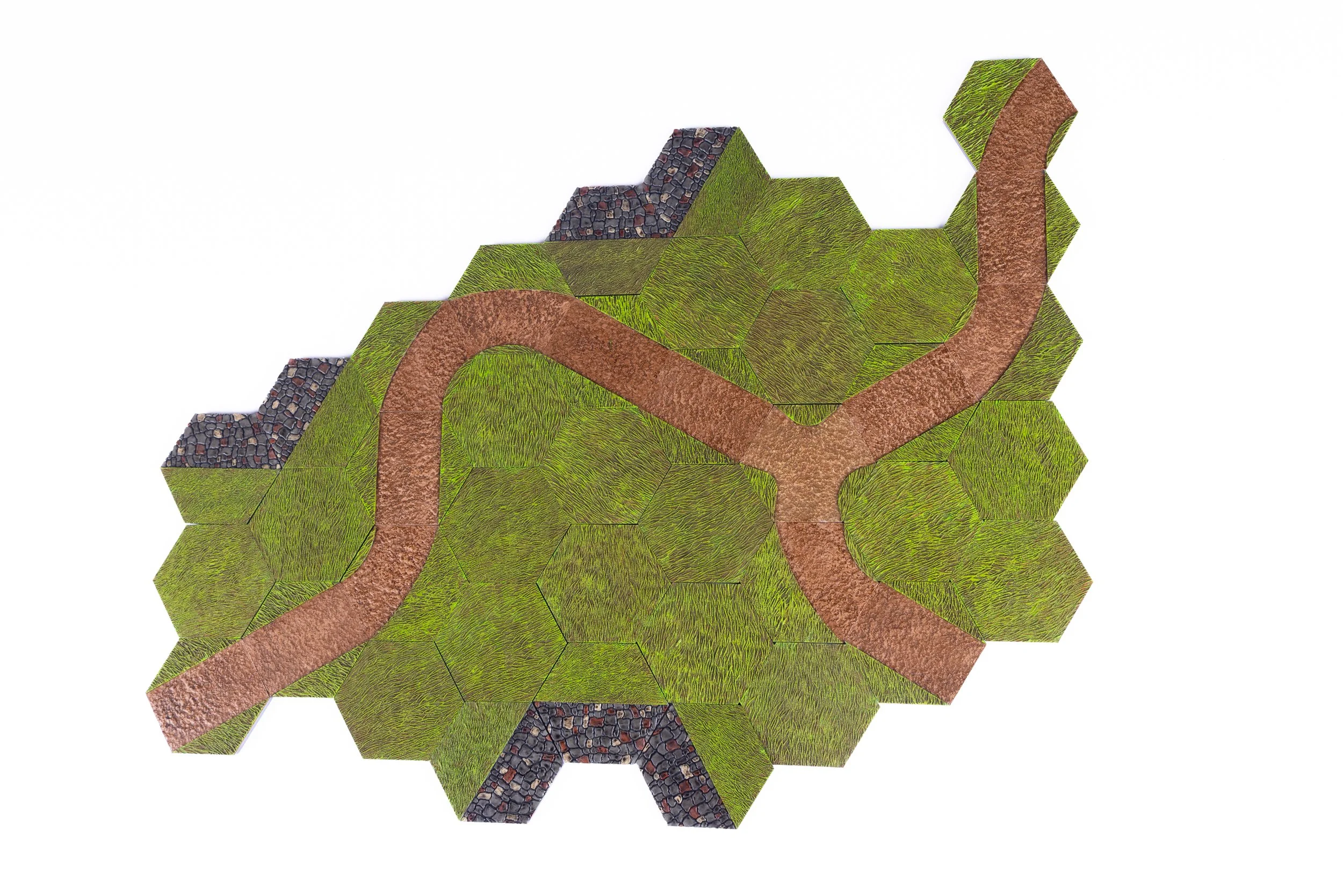
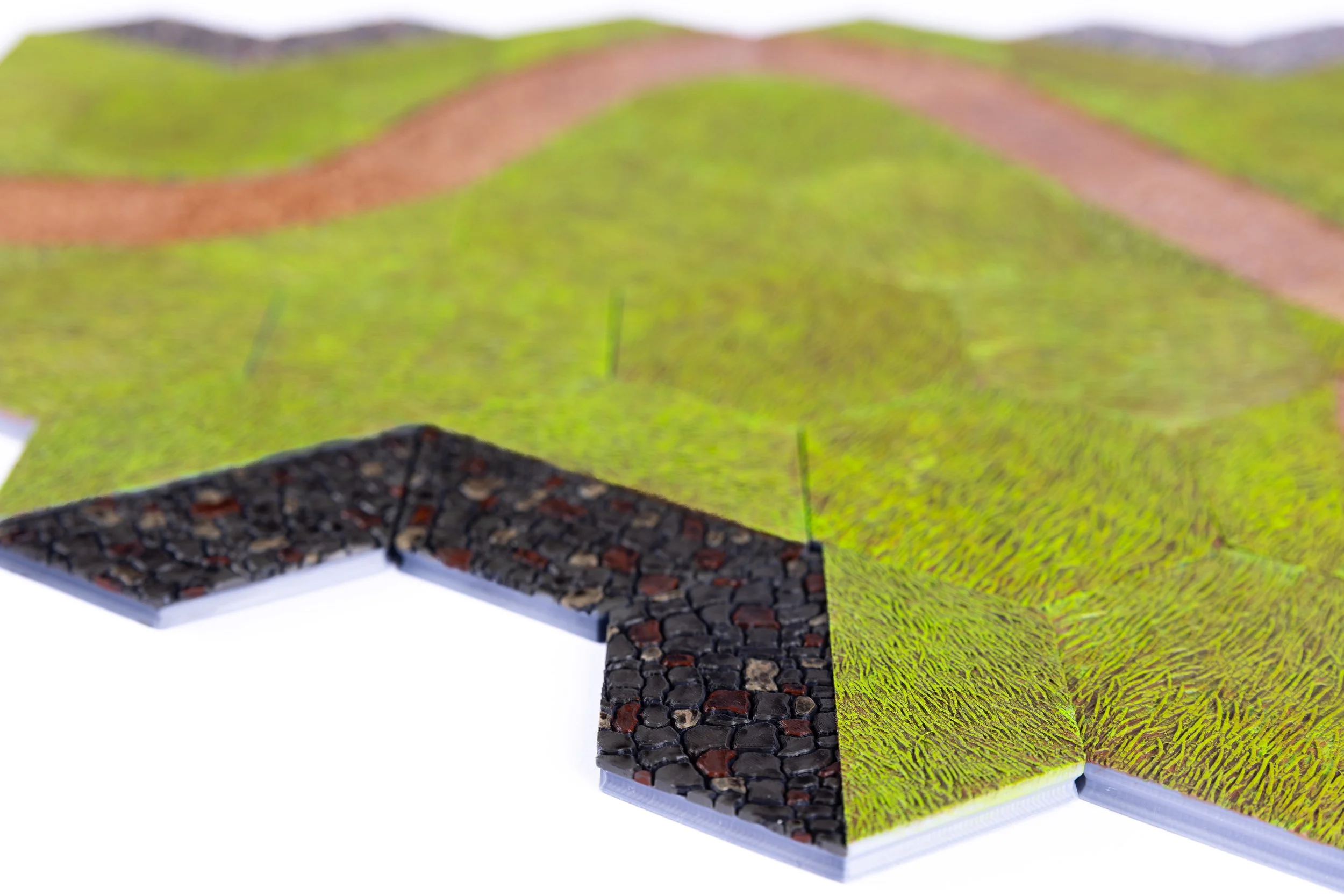
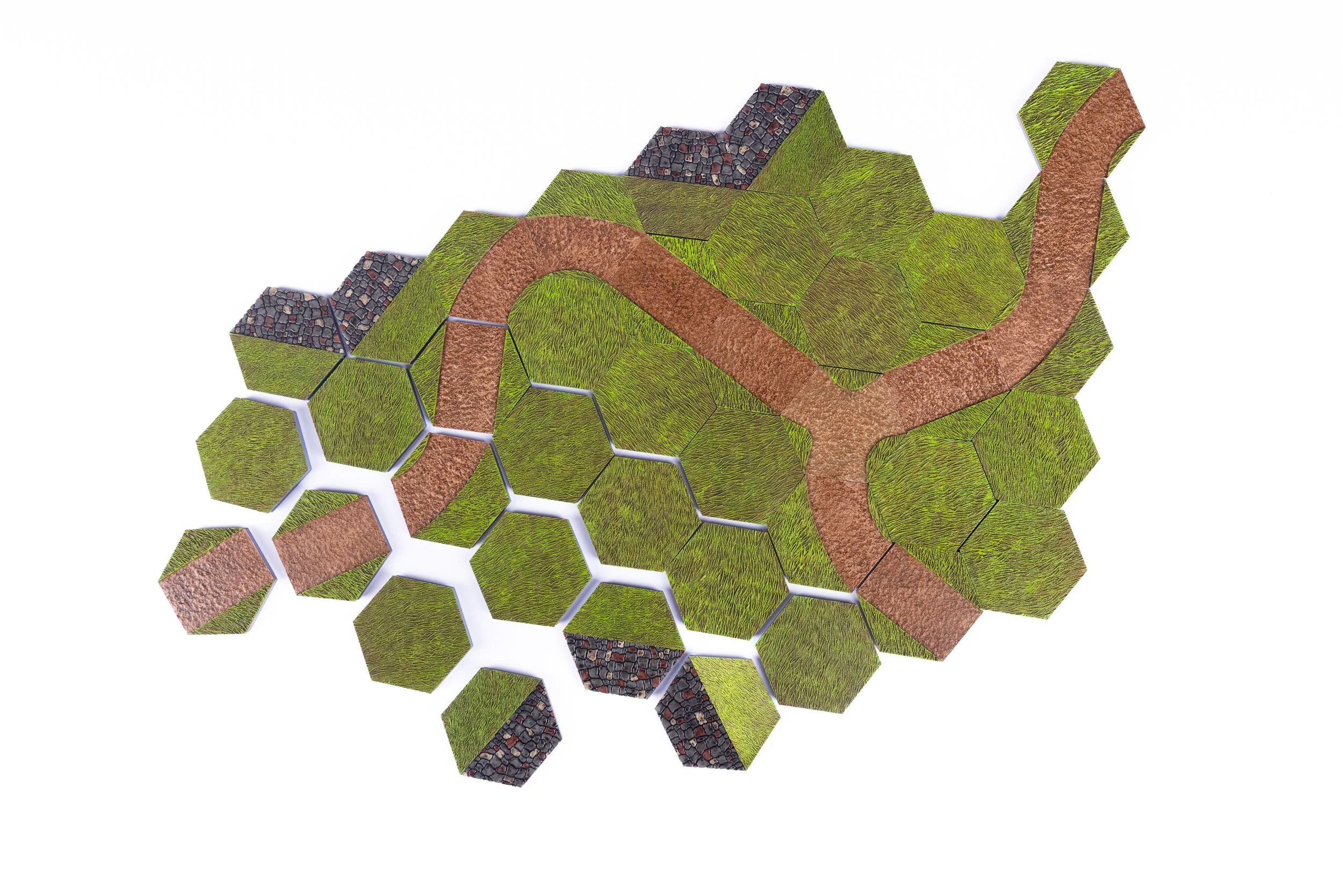
Telltale Terrain is a fully modular terrain system intended for use in Tabletop Role Playing Games. The system is built with a hexagonal grid in mind and can be reconfigured as needed.
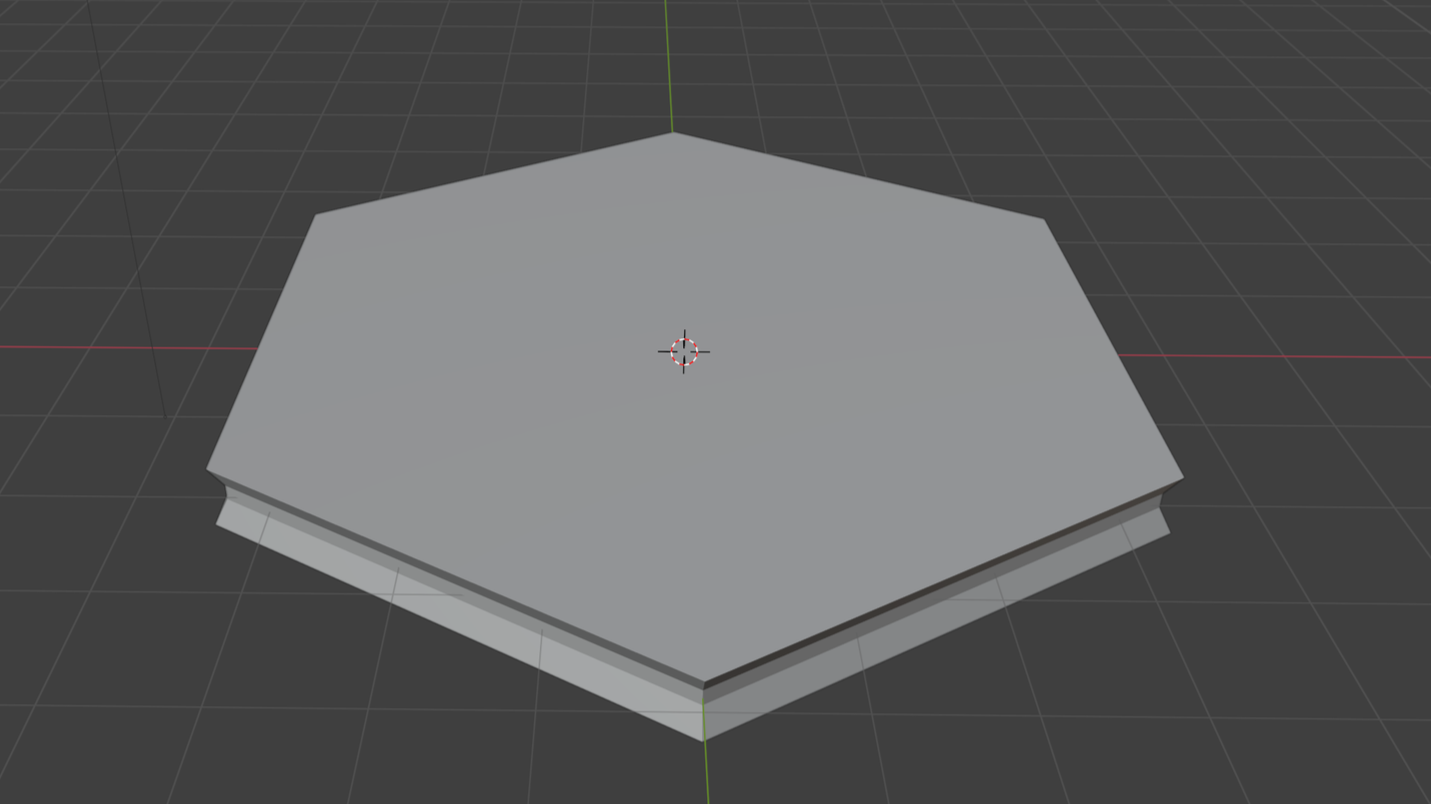
Each piece was designed in Blender by me and is fully 3D printable and hand-painted. This allows the system to be more accessible and customizable.
The idea for this project came at the tail end of game mastering a campaign in Lancer, a tabletop Role-Playing Game that uses a hexagonal grid rather than the more common square grid. Setting up sessions meant drawing maps with wet-erase markers on a special mat, which was functional but lifeless when it came time to bring the world to life. Existing terrain systems online were either built for square grids or too expensive to be a realistic entry point. I toyed with the idea of designing my own terrain system for a while, and when given my choice of special project, I saw the perfect opportunity.
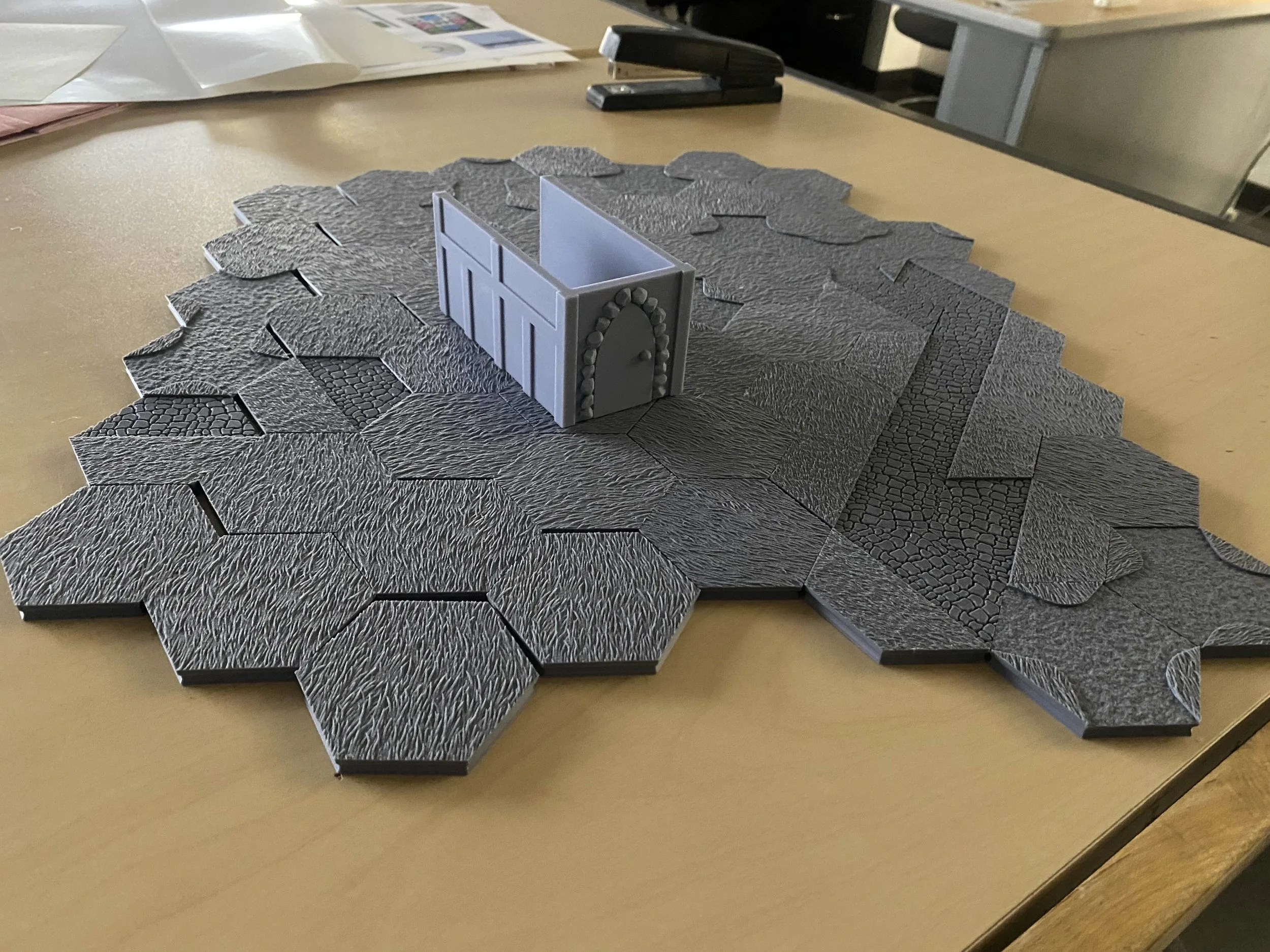
The biggest draw was designing for a hexagonal system, which carries significantly more geometric complexity than a square one. I also had zero experience with 3D modeling and had to learn Blender on the fly. It helped to join a student meetup group to learn Blender alongside others. Working as a student meant competing demands on my time, which imposed a real constraint: the system had to be both cost-effective and quick to design and produce. I settled on a 3D-printed approach so everything could be made affordably and in-house.
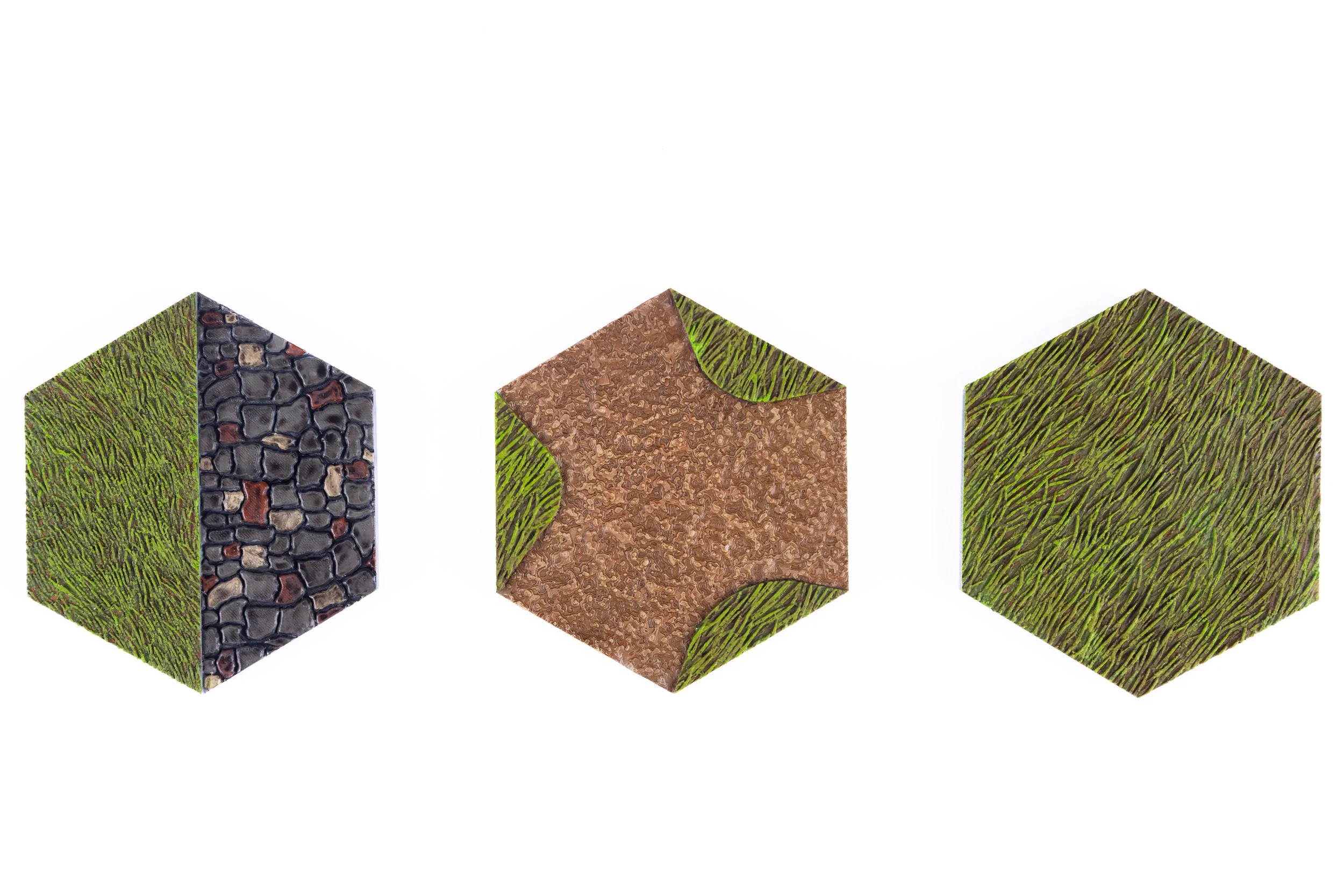
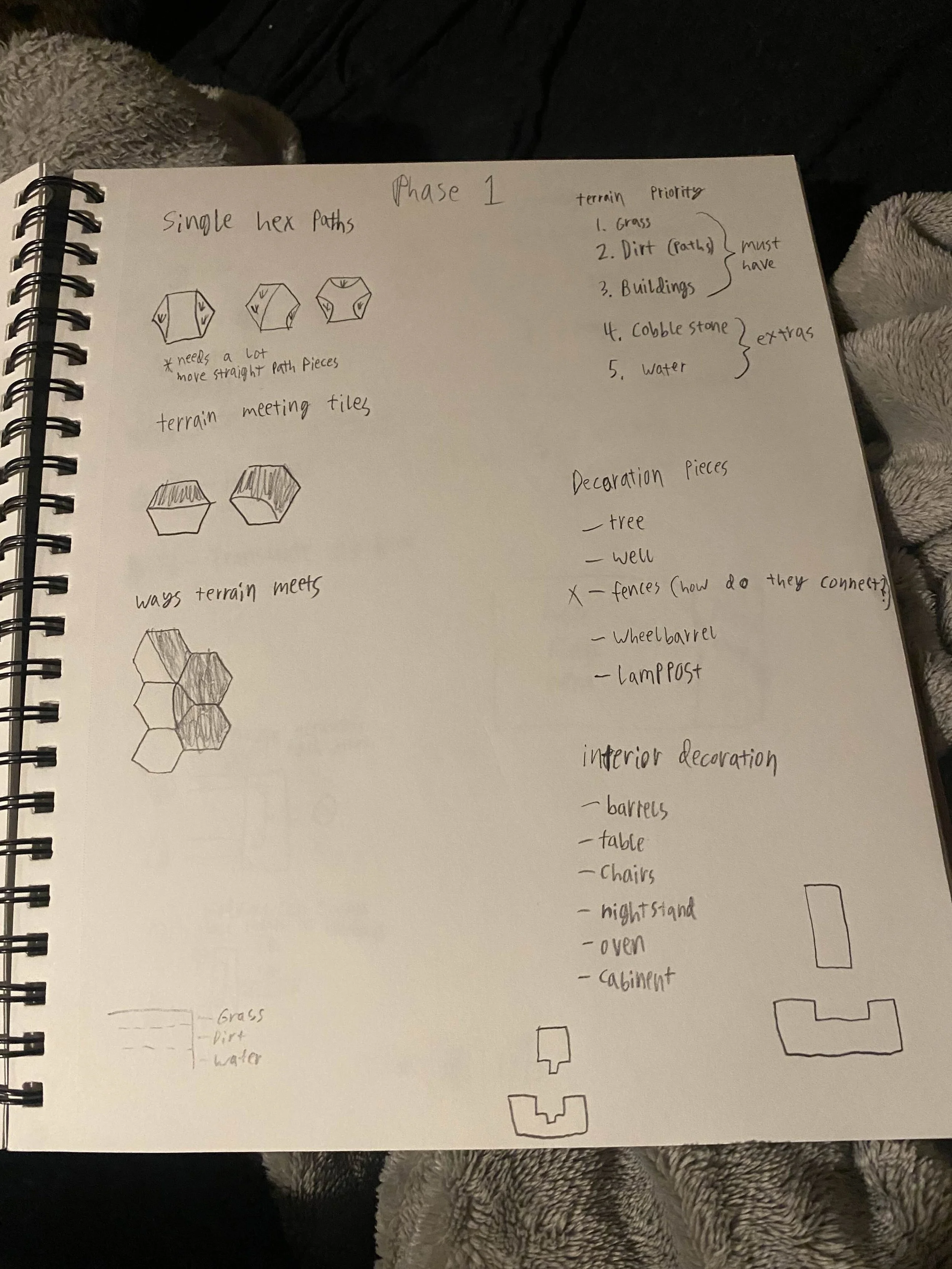
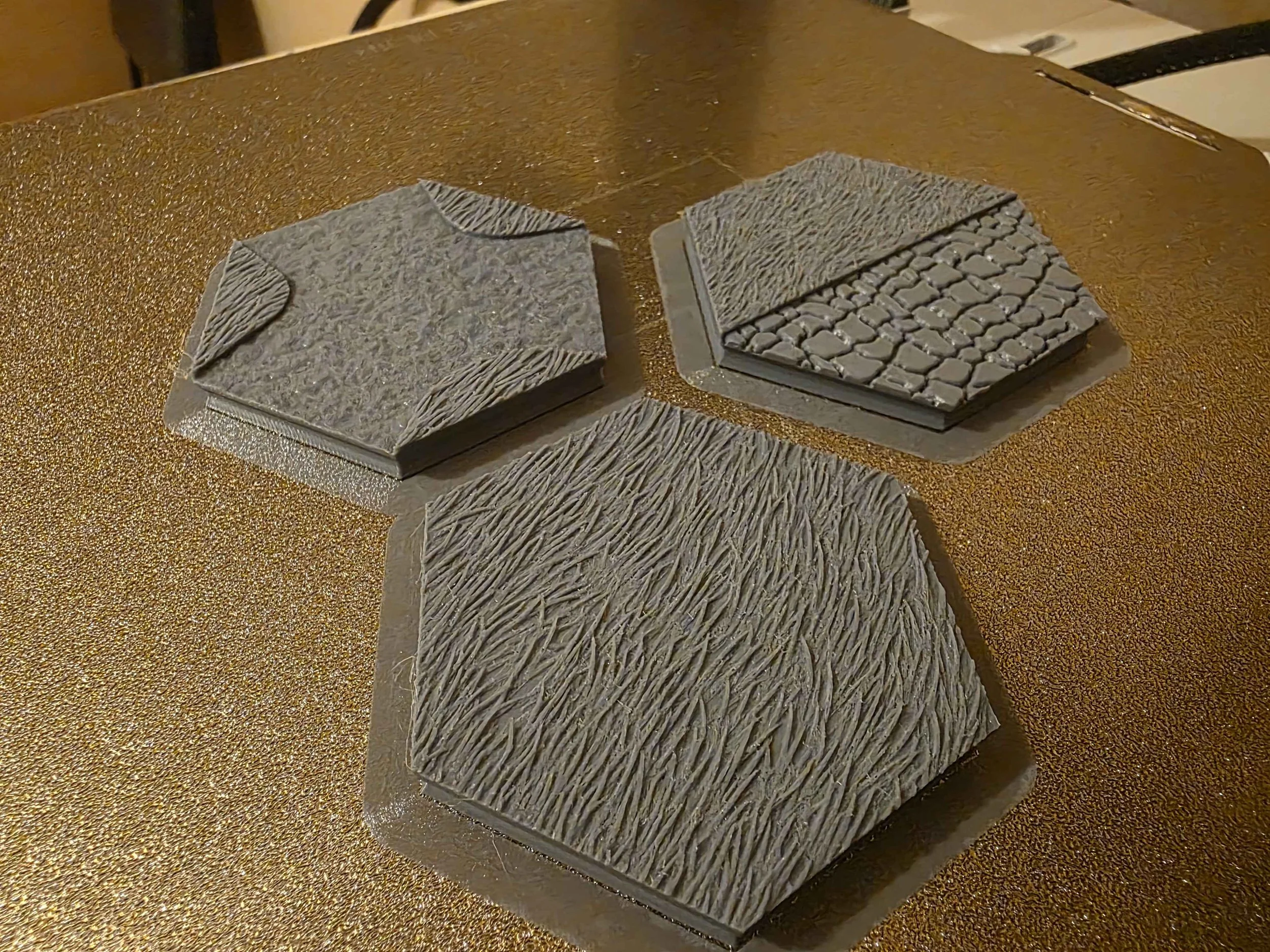
Over the course of the project, I developed a workflow of building a master template and designing shapes around it, and I used displacement maps for textures to save time. I also had to learn 3D printing from scratch, including the software, the different types of printers, and the many ways prints can go wrong. And how to fix them.
Why It Matters
This project solves a genuine market gap from firsthand user experience, and then designing a product to fill it, is exactly how real product development begins.
The project also demonstrates the full arc of bringing a physical product to life under real-world constraints: learning industry-standard tools (Blender, slicing software, 3D printers) on a deadline, designing for manufacturability and cost, building repeatable production workflows with templates and displacement maps, and troubleshooting fabrication failures. These are the core competencies of rapid prototyping, product design, and any role where an idea must survive contact with a machine and a budget.
Process
Problem to Solve: Existing terrain systems for table top role-playing games exclusively use square tile set-ups which excludes use in games that use a hexagonal grid system.
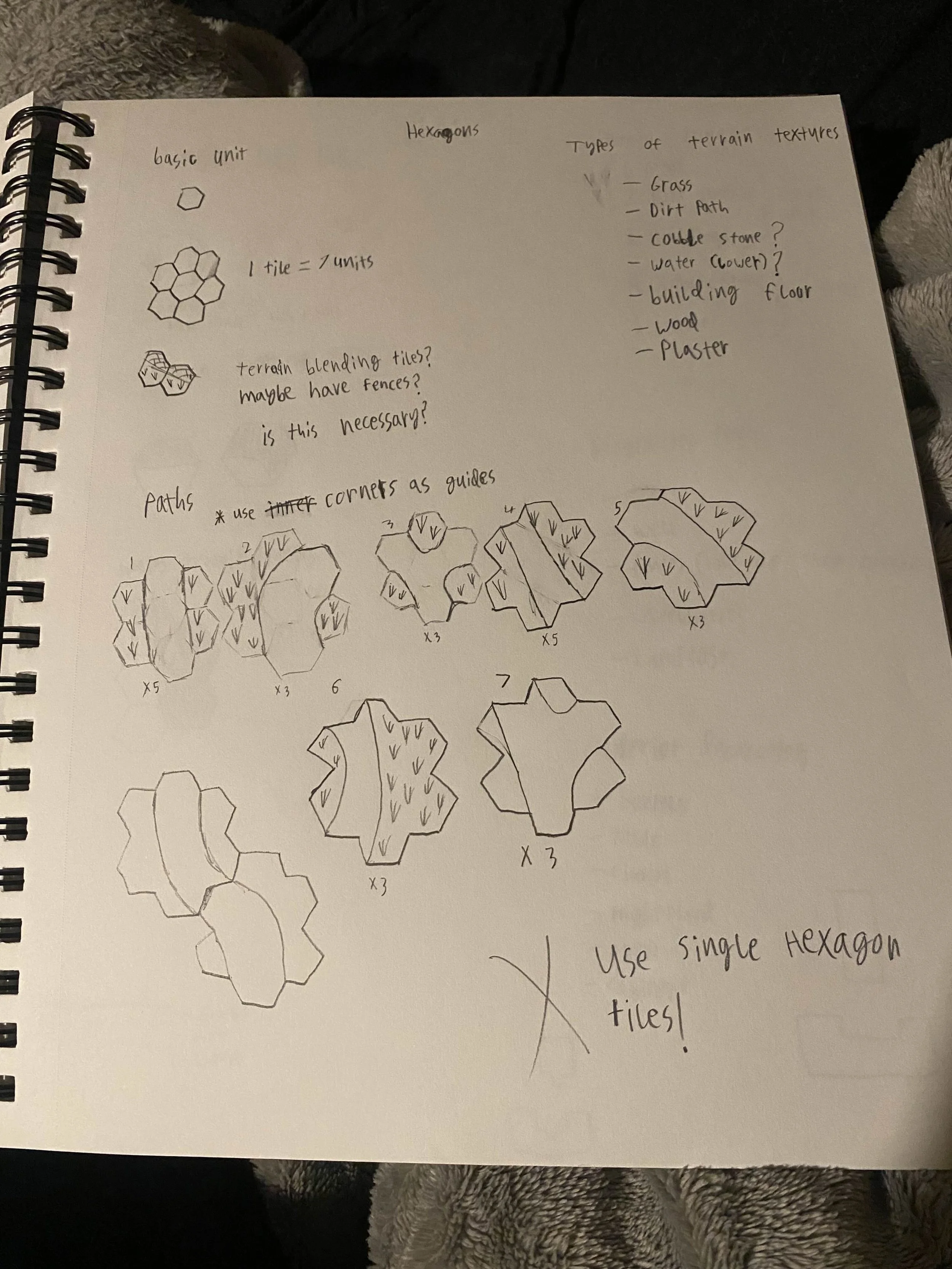
Solution: Telltale Terrain is a terrain system built around hexagonal grids for use in table top role-playing games. The pathing system is built around the corners of the hexagon to ensure that pieces can be easily lined up to match any configuration. The entire system is fully modular allowing it to be used to create any kind of scene necessary as well as allowing for pieces to be swapped out for changing scene needs.
Research: Most of my research was in learning Blender however, I did spend significant time learning about other existing modular terrain systems and 3D printing techniques.
Timeframe: 10 months: September 2025 – June 2026
Solo Project: with some advice on Blender by Davin Spridgen
Tools: Blender, Bambu 3D Printers, hand-painted, motion video made with illustrator and aftereffects